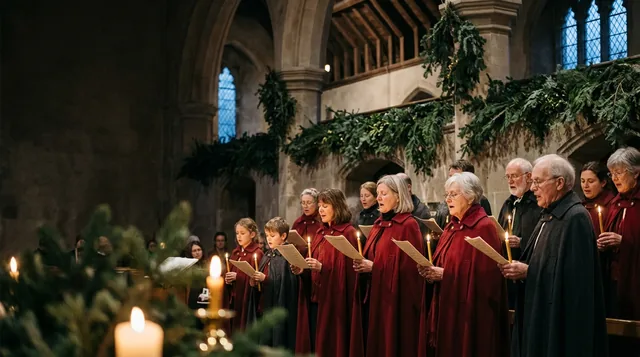
January 7
Nativity observance for Julian-calendar Orthodox churches (December 25 Julian).
Understanding Julian-calendar Nativity observances and the Jewish Festival of Lights.
Nativity observance for Julian-calendar Orthodox churches (December 25 Julian).
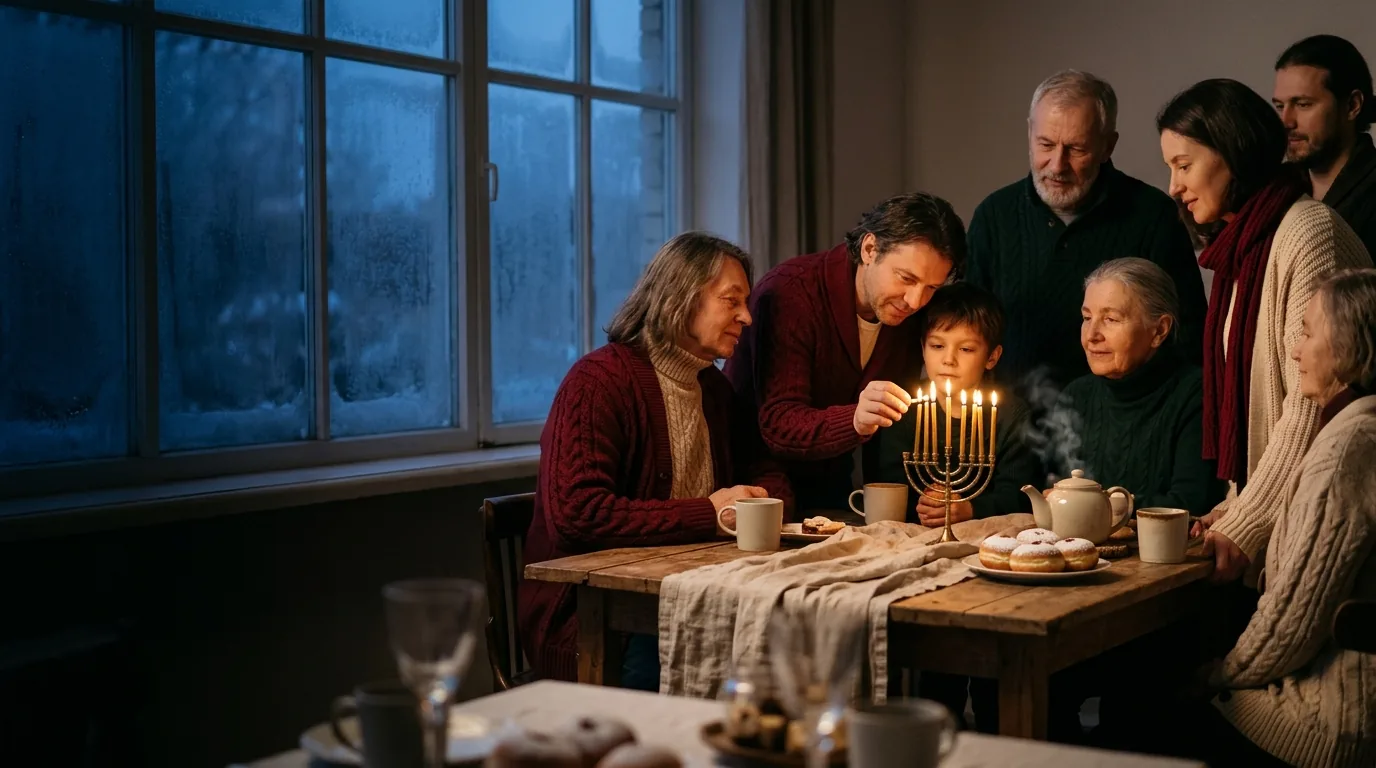
Eight-night Hanukkah Festival of Lights in the Hebrew calendar.
Light in midwinter, family meals, charitable giving, and intergenerational memory.
December and January bring multiple distinct religious and cultural observances around the world. Alongside Gregorian-calendar Christmas on December 25, millions of Eastern and Oriental Orthodox Christians observe Christmas on January 7, while Jewish communities celebrate the eight-day Festival of Lights, Hanukkah.
Churches that follow the Revised Julian or Gregorian calendar—such as the Ecumenical Patriarchate, Greece, Romania, and Bulgaria—celebrate Christmas on December 25. Churches retaining the traditional Julian calendar for fixed feasts, including the Serbian, Russian, Georgian, and Ethiopian Orthodox traditions, observe Christmas on December 25 Julian, which corresponds to January 7 in the modern civil calendar (with fasting vigils on January 6).
Hanukkah (or Chanukah, meaning dedication) is an eight-day Jewish observance beginning on the 25th day of the lunar-solar Hebrew month of Kislev, usually falling between late November and late December. It commemorates the rededication of the Second Temple in Jerusalem in the second century BCE, marked by lighting the nine-branched hanukkiah menorah, spinning the dreidel, and eating oil-fried foods such as latkes and sufganiyot.
From fourth-century Roman calendars and medieval folk carols to nineteenth-century family customs.
From Advent and St. Nicholas Day to Nochebuena, Boxing Day, Epiphany, and Candlemas.
How St. Francis of Assisi’s 1223 Greccio gathering inspired centuries of nativity craftsmanship.